
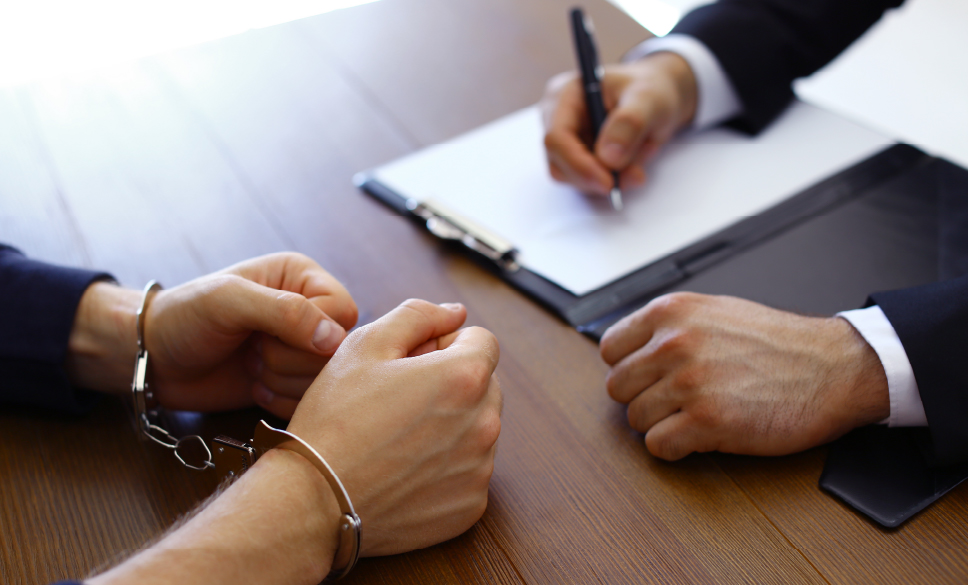
Federal prosecutors operate on a completely different level than state district attorneys. Resources are bigger. Investigations take longer. Coordination with federal agencies runs deep. Grand juries and multiple approval layers control the charging process. A California Federal Criminal Defense Lawyer becomes necessary the moment federal investigators make contact. Starting defence representation during the investigation beats waiting until after charges appear.
Federal investigation procedures
Federal cases start with investigations lasting months or years before charges surface. The FBI, DEA, IRS, or ATF build their cases slowly. Documents get collected. Surveillance gets conducted. Witnesses get interviewed. Financial records get analyzed. Local police investigations move quickly. Federal agencies take time because they want cases locked down tight. A federal criminal defense law firm in California intervenes during this investigative phase to protect rights.
Investigators wield considerable power through their tools. Wiretaps capture phone conversations. Search warrants grant access to homes and offices. Subpoenas compel document production. Interviews often involve colleagues, family members, and associates. Most people are unaware they are targets until warrants arrive. Some investigations remain secret for a long time. Legal representation becomes critical once you learn that federal authorities have an interest in your activities.
Prosecutorial charging decisions
Assistant Attorneys review investigative reports and determine whether to bring charges. Evidence strength gets evaluated. Witness credibility gets assessed. Federal interests get considered. Prosecutors have discretion to decline cases despite available evidence. Criminal history weighs into decisions. Cooperation potential matters. Resource allocation plays a role. Charging goes through multiple approval levels within the Attorney’s Office. Line prosecutors prepare charging memos outlining cases. Supervisory attorneys review these recommendations. Criminal division chiefs provide oversight. The Attorney or designee grants final approval. Many federal charges carry mandatory minimum sentences. This gives prosecutors leverage during plea talks. Charges are added or removed based on cooperation and other considerations.
Grand jury proceedings
- Federal prosecutors present cases to grand juries composed of citizens hearing evidence in secret. Defense attorneys cannot attend these sessions. The prosecution chooses evidence and witnesses. Grand juries issue indictments in nearly all cases presented. The process favors prosecution heavily.
- Witnesses called before grand juries can bring attorneys who remain outside the room. Witnesses can exit to consult counsel between questions. This differs from trial testimony considerably. Grand jury transcripts are sealed until indictment, but witnesses can request copies. When subpoenas arrive, defense lawyers prepare clients and witnesses.
Defense attorney strategies
Defense representation during federal investigations follows several paths based on circumstances:
- Attorneys reach out to prosecutors, presenting exculpatory evidence before charges get filed
- Cooperation agreements get negotiated where clients provide information for reduced charges or sentencing recommendations
- Clients receive guidance on whether speaking with investigators helps or whether invoking Fifth Amendment rights makes more sense
- Proffer sessions get arranged where clients share information under specific protections
- Search warrants and surveillance methods get challenged through suppression motions
- Dismissal motions get filed citing procedural errors or insufficient evidence
After charges appear, the defence’s work changes focus. Evidence gets challenged through pretrial motions. Document review often means examining thousands of pages. Financial crimes need accounting experts. Drug cases require chemists and medical professionals. Defense teams include investigators, paralegals, and expert witnesses building counterarguments to prosecution theories. The federal prosecution system includes multi-agency investigations. A defense attorney’s early involvement offers the best chance of influencing case outcomes.