
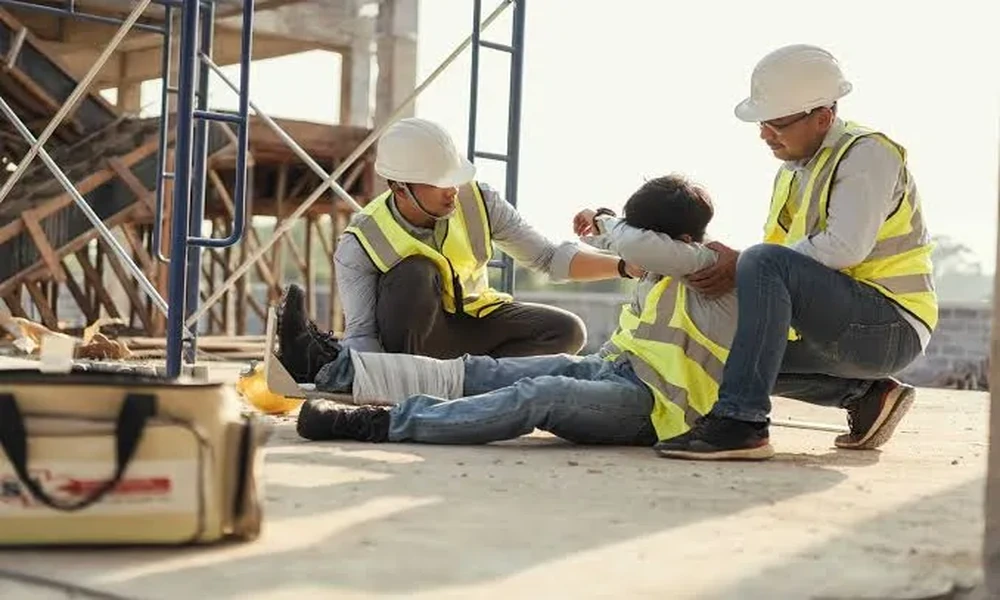
Construction sites combine heavy equipment, elevated work areas, moving vehicles, electrical systems, and multiple contractors. When someone is hurt, the immediate focus should be medical care and safety. After that, searching for a Construction accident lawyer Texas may help clarify whether workers’ compensation, a claim against another party, or another legal route could apply.
The answer is not always obvious. Texas handles workplace injuries differently from many states, and the available options can depend on whether the employer carries workers’ compensation coverage, who caused the accident, and what evidence can still be preserved.
Start by Finding Out Whether the Employer Has Coverage
Texas private employers generally are not required to carry workers’ compensation insurance. Employers that choose not to provide this coverage are often called non-subscribers. Workers should not assume they are covered simply because the injury happened on the job.
A Workplace injury lawyer Texas can help examine the coverage situation and the circumstances of the accident. If workers’ compensation applies, the claim follows one path; if the employer is a non-subscriber, different rights may become relevant. A third party, such as a subcontractor or equipment company, may also need to be considered.
Report the Injury Promptly
For a Texas workers’ compensation claim, an injured employee generally must report the injury to the employer within 30 days. Delayed reporting can create disputes about whether the injury happened at work or whether notice was given on time.
A report should be factual. Note when and where the incident occurred, the task being performed, the people present, and the body parts affected. If symptoms develop later, make sure medical providers receive an accurate history of how the injury happened.
Preserve Evidence Before the Site Changes
Construction sites can change quickly. Debris may be removed, equipment may be moved, temporary barriers can disappear, and workers from different companies may leave the project. Evidence that seems easy to obtain today may be difficult to locate later.
Useful items to preserve may include:
- Photos or video of the accident area
- Names and contact details of witnesses
- Incident or safety reports
- Information about equipment involved
- Employer and subcontractor names
- Medical records and work restrictions
- Messages or emails discussing the incident
Understand That More Than One Party May Be Involved
A construction accident may involve an employer, general contractor, subcontractor, property owner, equipment manufacturer, vehicle operator, or another business. That does not mean each party is legally responsible, but identifying who controlled the work or contributed to the hazard can matter.
For example, a worker injured by defective equipment may raise different questions from someone hurt because another contractor created an unsafe condition. The facts should be investigated before assuming the employer is the only possible source of recovery.
Keep Medical Treatment and Work Records Organized
Medical documentation helps show what injuries were diagnosed, what treatment was recommended, and how recovery progressed. Keep copies of discharge papers, referrals, therapy instructions, prescriptions, work restrictions, and bills when available.
Income records can matter too. Save pay stubs, schedules, employer correspondence, and documentation of missed shifts or reduced hours. Accurate records are more useful than trying to reconstruct financial losses months later.
Be Careful With Statements and Settlement Documents
After an injury, an insurance representative or company may request information about the incident. Give accurate facts, but avoid guessing about issues you do not know. A recorded statement, release, or settlement document can have consequences.
Before signing anything that appears to resolve a claim or waive rights, understand what the document covers. A payment that seems helpful now may not account for ongoing treatment, future work restrictions, or unresolved disputes.
Questions Worth Asking During a Consultation
A legal consultation should help clarify the available paths rather than simply produce a settlement estimate. Useful questions include:
- Does the employer have workers’ compensation coverage?
- Could another company share responsibility?
- What deadlines may apply?
- What evidence should be preserved immediately?
- How should medical and wage records be documented?
- Who should communicate with insurers?
- What fees and case expenses could apply?
Good answers should explain both the strengths and uncertainties of the situation. Construction accidents can involve overlapping contracts, insurance policies, and safety responsibilities, so quick guarantees should be treated cautiously.
Conclusion
A Texas construction injury can involve more than a routine workplace claim. Employer coverage, third-party responsibility, medical evidence, reporting requirements, and changing job-site conditions can all influence the next steps.
The most useful approach is to report the injury promptly, obtain appropriate medical care, preserve evidence, and understand which claim system applies. Early organization can make it easier to evaluate options and avoid losing information that may matter later.